Western Frog Shirt Design Review
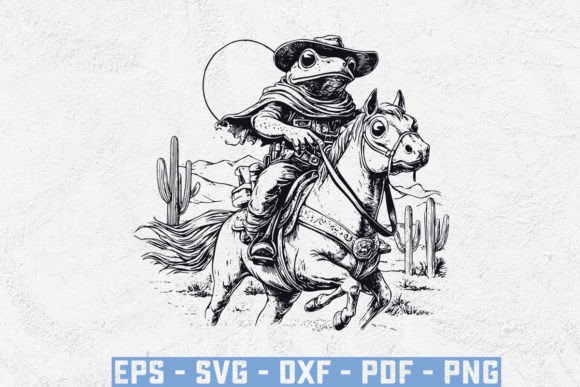
As a designer who spends more time than I care to admit staring at stitch density charts and testing thread contrasts, I don’t just look at the final image when evaluating an embroidery file. I look at how it translates from a digital vector into physical thread. When I first pulled up the Western Frog Shirt Design,Vintage Cowboy, my immediate reaction was one of cautious optimism. It sits right at that interesting intersection of whimsy and rugged nostalgia, a combination that can either make for a highly engaging handmade product or a muddy, over-stitched mess if not handled with care.
First Impressions: The Wild West Meets Amphibian Whimsy
The visual personality of this design is distinct. It isn’t trying to be a serious western portrait, nor is it purely a cartoon frog. The "Vintage Cowboy" aesthetic suggests a certain grit—think weathered textures, classic typography, and perhaps a dusty color palette. This mood is crucial because it dictates where the design will live. It feels most at home on items that embrace a rustic, artisanal vibe. For me, the immediate thought wasn’t a sleek corporate polo; it was a heavy-weight cotton canvas tote bag or a faded denim jacket.
The layout appears balanced enough to work as a central chest print or even a back-piece statement, but the intricate details inherent in a "vintage" style require us to think about legibility. In embroidery, "detailed" often equals "dense," and density kills drape. My initial assessment is that this machine embroidery design has strong character, but its success depends entirely on the execution of the smaller elements. If the cowboy hat brim or the frog’s features are too fine, they risk disappearing into the fabric grain during the stitching process.
Real-World Application: From Screen to Stitch
Let’s talk about practical use. I recently had a client request a batch of custom aprons for a local coffee shop that wanted to highlight their "country roots." I mentally placed the Western Frog Shirt Design,Vintage Cowboy on a natural linen apron. The contrast between the earthy fabric and the likely bold outlines of the design would pop beautifully. It creates a sense of approachability and fun, which is excellent for Etsy seller listings or craft fair booths where you need to grab attention quickly.
However, consider the scalability. If you are planning to use this as an embroidered patch for a baseball cap, you need to be strategic. Caps have curved surfaces, and small details tend to distort when pulled tight against the curve. I envision this design working best on flat surfaces like the front panel of a sweatshirt, a kitchen towel, or a baby onesie. On a onesie, the juxtaposition of a tough cowboy theme with soft infant wear creates a humorous, endearing effect that parents love. It transforms a basic garment into a memorable personalized gift.
For those of you running a craft business, this design offers versatility. It can serve as a standalone motif or be integrated into a larger collection. Imagine pairing it with simple geometric borders or classic serif fonts to create a cohesive brand identity for your shop. The "Graphics" category tag suggests it’s versatile digitally, meaning you could also use high-resolution versions for printable mockups to test market interest before committing to inventory. This is a smart move for any small shop product developer looking to minimize waste.
Technical Considerations and Fabric Compatibility
Here is where we need to get technical. Not all fabrics are created equal, and the Western Frog Shirt Design,Vintage Cowboy will behave differently depending on what it touches. Textured fabrics, such as chunky knits or raw denim, can obscure the finer stitches. If the design relies on thin lines to define the cowboy’s facial features or the frog’s eyes, a rough texture might eat away at those details, resulting in a blurry appearance.
Stretchy fabrics present another challenge. If you are attempting this on a jersey t-shirt without proper support, the hoop marks may remain visible, or the design itself may pucker. Always use a cut-away stabilizer for stretchy materials to ensure the stitch density remains stable and doesn’t pull the fabric out of shape. Conversely, woven fabrics like cotton twill or flannel are forgiving and ideal for showcasing the full detail of this digital embroidery file.
Color contrast is paramount. Vintage designs often rely on muted tones, but in embroidery, low contrast can lead to a "muddy" look. If the design uses similar shades for the background and the fill stitches, you will lose definition. I recommend testing the thread colors against your chosen fabric under natural light. A dark fabric might require bright, saturated threads to make the design stand out, while a light fabric allows for more subtle, pastel, or heathered thread choices that enhance the vintage feel.
Where to Exercise Caution
- Small Hoop Sizes: Avoid cramming this design into a 4x4 inch hoop if it contains significant text or complex shading. You will lose the nuance that makes the design appealing.
- Dense Stitch Areas: Check the fill stitch areas. If the density is too high, the finished product will feel stiff and plastic-like, reducing the comfort of wearable items like sweatshirt embroidery or baby embroidery.
- Curved Surfaces: As mentioned, caps and sleeves are tricky. Test carefully to ensure the design doesn’t warp around the crown of a hat.
- Frequent Washing: If this is for a commercial item meant to last, ensure the applique design elements (if any) are securely anchored. Loose edges can fray after repeated laundering, hurting your reputation as a maker.
Designer’s Checklist for Success
Before you hit the start button on your machine, run through this mental checklist. It separates the amateurs from the pros.
- Scrap Test: Always stitch a sample on scrap fabric first. This reveals tension issues, thread breaks, and color clashes that aren't visible on screen.
- Black and White Mockup: Convert the design to grayscale. Does the structure still hold up? If the value contrast is poor, the design will lack depth regardless of your thread choice.
- Stabilizer Selection: Match your stabilizer to your fabric weight. Heavy denim needs heavy stabilizer; lightweight cotton might only need a tear-away.
- Licensing Verification: Since this is a commercial embroidery asset, double-check the license terms. Are you allowed to sell finished goods? Is there a limit on the number of units? Never assume; verify to protect your craft business.
- Detail Inspection: Zoom in on the digital file. Are there tiny isolated pixels or overly thin lines that won't translate to thread? If so, you may need to edit the design assets slightly to improve stitchability.
Final Verdict
The Western Frog Shirt Design,Vintage Cowboy is a charming, thematic piece that brings a specific narrative to your embroidery projects. It is not a generic clip-art frog; it has attitude. For designers and sellers looking to add a touch of humor and nostalgia to their finished product line, this is a strong contender. It works exceptionally well for holiday embroidery gifts, boutique branding, and unique tote bag design opportunities.
Its success, however, hinges on your technical execution. By respecting the fabric, managing the stitch density, and choosing the right context for its use, you can transform this digital graphic into a tangible, high-quality item that customers will cherish. It’s a design that rewards careful preparation and pays off with a distinctive, professional result. Just remember: the design is only as good as the stitch quality behind it.