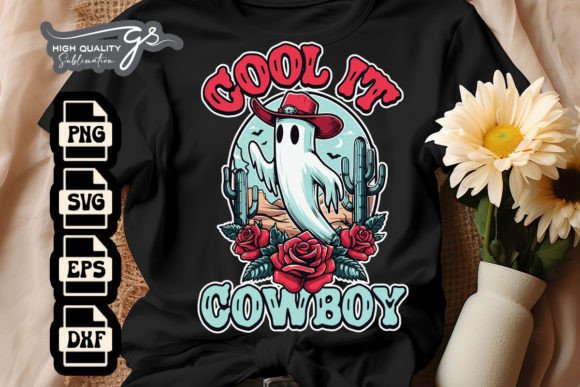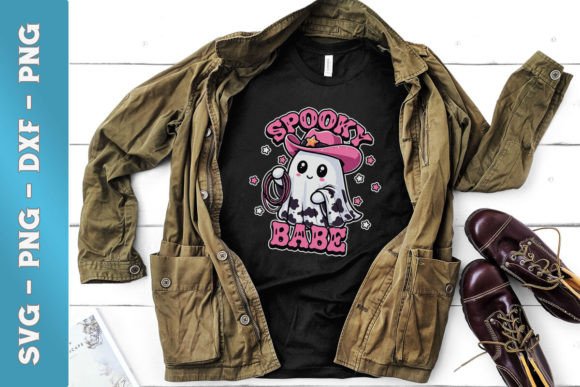
Spooky Babe Western Halloween SVG Review
As a designer who spends more time than I care to admit staring at stitch charts and testing thread tension, I approach every new digital asset with a healthy dose of skepticism. The market is flooded with generic clipart, but when something catches my eye for its specific mood or versatility, I take it out for a test drive. That is exactly what happened with the Spooky Babe Western Halloween SVG. At first glance, it looks like a fun seasonal graphic, but as an embroidery file intended for real-world application, it requires a bit more scrutiny. This review breaks down how this design actually performs on the hoop, whether it holds up for commercial use, and where it fits best in your craft business or personal project lineup.
First Impressions: Mood and Visual Personality
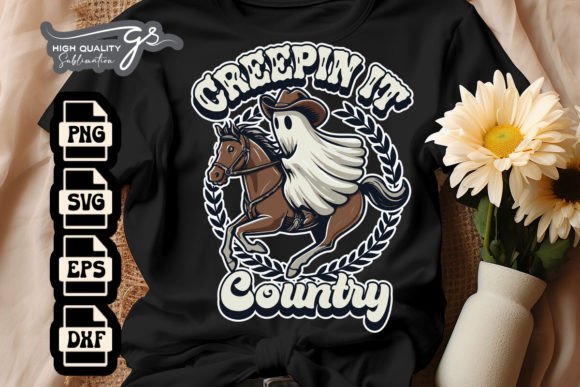
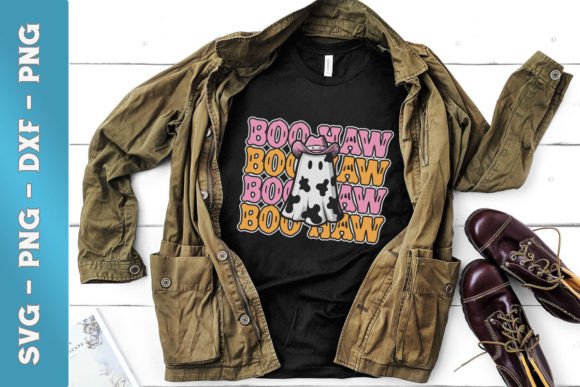
The moment you open the file, the theme is unmistakable. It blends the playful, slightly eerie vibe of Halloween with the rugged, nostalgic charm of Western aesthetics. For designers looking to add a touch of personality to their holiday collections, this combination works surprisingly well. It avoids being too childish while still remaining accessible enough for a wide audience. The visual weight of the design suggests it was built with clear lines in mind, which is a crucial starting point for any successful machine embroidery design.
What stands out immediately is the layout. It feels balanced, not cluttered. In the world of custom apparel, especially for items like tote bags or sweatshirts, less often means more. A design that tries to do too much can result in a muddled final product where the details get lost in the stitching. This Spooky Babe Western Halloween SVG seems to understand that distinction. It has a strong central focus, making it ideal for chest placements on apparel or centered layouts on home decor items like pillow covers or kitchen towels.
Real-World Application: From Screen to Stitch
I recently used this design concept to prototype a line of boutique merchandise for an upcoming fall craft fair. My goal was to create a cohesive look that could transition from day to night, appealing to both hobbyists and serious collectors. Here is how the design held up in practical scenarios:
- Custom Apparel: When applied to heavyweight cotton sweatshirts, the design popped beautifully. The contrast between the dark fabric and bright thread colors (which you will need to select carefully) gave it a premium feel. It worked particularly well as a standalone graphic on the front left chest area, allowing the wearer to showcase the art without it feeling overwhelming.
- Tote Bags and Canvas Items: One of the most popular uses for this type of graphic is on canvas tote bags. The sturdy nature of canvas handles the stitches well, preventing puckering. However, because this is originally listed as a cutting file, if you are digitizing it yourself or using a pre-digitized version, you must ensure the stitch density is appropriate for heavy fabrics. Lighter densities might get lost in the weave, while overly dense areas could make the bag stiff and uncomfortable to carry.
- Personalized Gifts: This design lends itself perfectly to personalized gifts. Imagine adding a name in a complementary font below the main graphic on a baby onesie or a child’s backpack. The Western theme allows for creative naming conventions, such as "Little Trailblazer" or "Spooky Sheriff," which adds a layer of emotional value that customers love.
Technical Considerations for Embroidery Designers
It is vital to remember that the source material is described as a digital cutting file for Cricut or Silhouette machines. If you plan to use this directly in an embroidery machine, you cannot simply load the SVG. You must have it converted into a proper embroidery file format (such as .dst, .pes, or .jef). This conversion process is where many projects fail. A vector shape does not automatically translate into optimal stitch paths.
When evaluating the potential outcome, consider these technical factors:
- Stitch Types: Does the design rely heavily on satin stitch for outlines? Satin stitches can look sharp and professional but may bridge gaps if the spacing is too tight. Alternatively, does it use fill stitch for solid areas? Fill stitches need adequate underlay to sit flat on the fabric. If the original graphic has thin, intricate lines, they may become muddy during digitization unless the software handles them with precision.
- Hoop Size Constraints: Before committing to a large production run, check the dimensions against your machine’s standard hoop size. If the design is too wide, you may need to split it across hoops, which introduces alignment risks. For smaller projects like embroidered patches or cap fronts, ensure the design scales down cleanly without losing its character.
- Fabric Texture Compatibility: This design shines on smooth fabrics like cotton twill or polyester blends. However, be cautious when applying it to textured fabrics like terry cloth or thick fleece. The needle penetration required for detailed stitches might struggle to penetrate evenly, leading to skipped stitches or uneven tension.
Where to Use It Carefully
Not every surface is created equal. While this Spooky Babe Western Halloween SVG is versatile, there are specific applications where you should proceed with caution:
- Small Hoop Sizes: Avoid placing this design on very small items unless it is simplified. Tiny details can disappear, leaving a blobby mess that frustrates customers.
- Stretchy Fabrics: Knits and stretchy materials require careful stabilization. Without a proper stabilizer, the fabric will pucker around the stitches, distorting the Western shapes and ruining the clean lines of the design.
- Dense Stitch Areas: If the design includes large blocks of color, ensure the fabric can support the weight of the thread. On delicate materials, this can cause distortion or even damage the fabric over time.
- Curved Surfaces: Applying this to curved surfaces like baseball caps requires advanced technique. The flat nature of the original graphic may not account for the curvature of the hat, potentially causing stretching or misalignment.
Impact on Product Value and Brand Consistency
For Etsy sellers and small shop owners, the perceived value of a product is often tied to the quality of the execution. A well-executed embroidery project signals professionalism and attention to detail. Using a unique, themed design like this one helps your brand stand out in a crowded marketplace. It moves away from generic holiday motifs and offers something specific that resonates with niche audiences.
Furthermore, the visual appeal of this design enhances giftability. Customers are more likely to purchase a finished product if they can visualize it as a present. The combination of spooky and western themes appeals to a broad demographic, from teens to adults, increasing your potential customer base. When you present this in printable mockups or social media previews, the design’s clarity ensures that buyers can see exactly what they are getting, reducing returns and increasing trust.
Final Designer Notes
Before integrating the Spooky Babe Western Halloween SVG into your workflow, always conduct thorough testing. Start with scrap fabric to check thread color contrast and stitch density. Inspect the design in black and white to ensure the shapes remain distinct without the aid of color. Confirm that you have the correct licensing for commercial use, especially if you plan to sell finished items or digital assets. Remember, a great design is only as good as its execution. With careful preparation and the right techniques, this design can elevate your craft business and delight your customers this holiday season.